
Top 20 Website Design Trends for 2026
Web design in 2026 is no longer just about looking modern, it's about delivering intelligent, fastand emotionally engaging digital experiences.
User expectations have evolved dramatically. People now expect:
- Instant loading speeds
- Personalized experiences
- Accessibility by default
- Mobile-first performance
- Seamless interaction
Search engines also reward websites that prioritize UX, performanceand accessibility. That means website design trends are directly connected to SEO, conversionsand revenue.
If you're planning a redesign, exploring inspiration, or evaluating your current site, this guide will walk you through the top 20 website design trends for 2026 that are shaping the future of the web.
If you're considering redesigning your website, you can explore professional web design services.
The Shift From “Beautiful” to “Strategic” Web Design
In 2026, design is strategic.
It's not just about colors and layouts anymore. Modern web design must align with:
- Conversion goals
- SEO performance
- User behavior analytics
- Brand positioning
Businesses now invest in conversion-centered design rather than purely aesthetic updates. A website is a growth engine not a brochure.
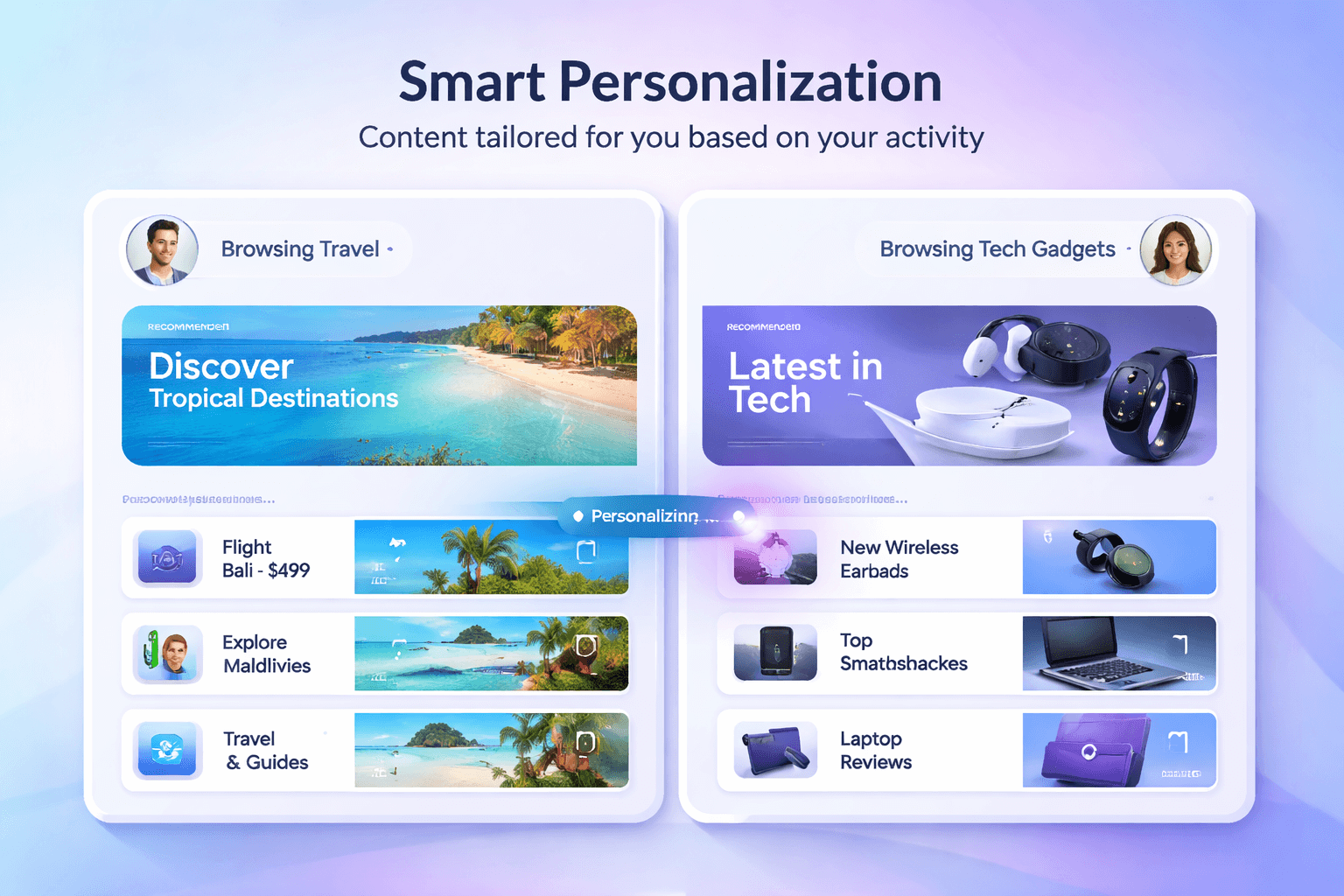
1. AI-Powered Personalization
AI is transforming how websites interact with visitors.
Websites in 2026 dynamically adjust:
- Headlines based on traffic source
- Product suggestions based on browsing behavior
- Content recommendations based on interests
- Smart CTAs depending on user stage
Personalized experiences increase dwell time, improve engagementand boost conversions.
2. Minimalism 2.0
Minimalism isn't going away but it's evolving.
Instead of plain layouts, 2026 minimalism focuses on:
- Purposeful white space
- Soft gradients
- Subtle depth
- Intentional typography
The goal is clarity and focus.
3. Advanced Micro-Interactions
Micro-interactions enhance usability and delight.
Examples include:
- Animated hover states
- Scroll-triggered reveals
- Subtle button feedback
- Interactive toggles
These elements improve perceived performance and engagement.
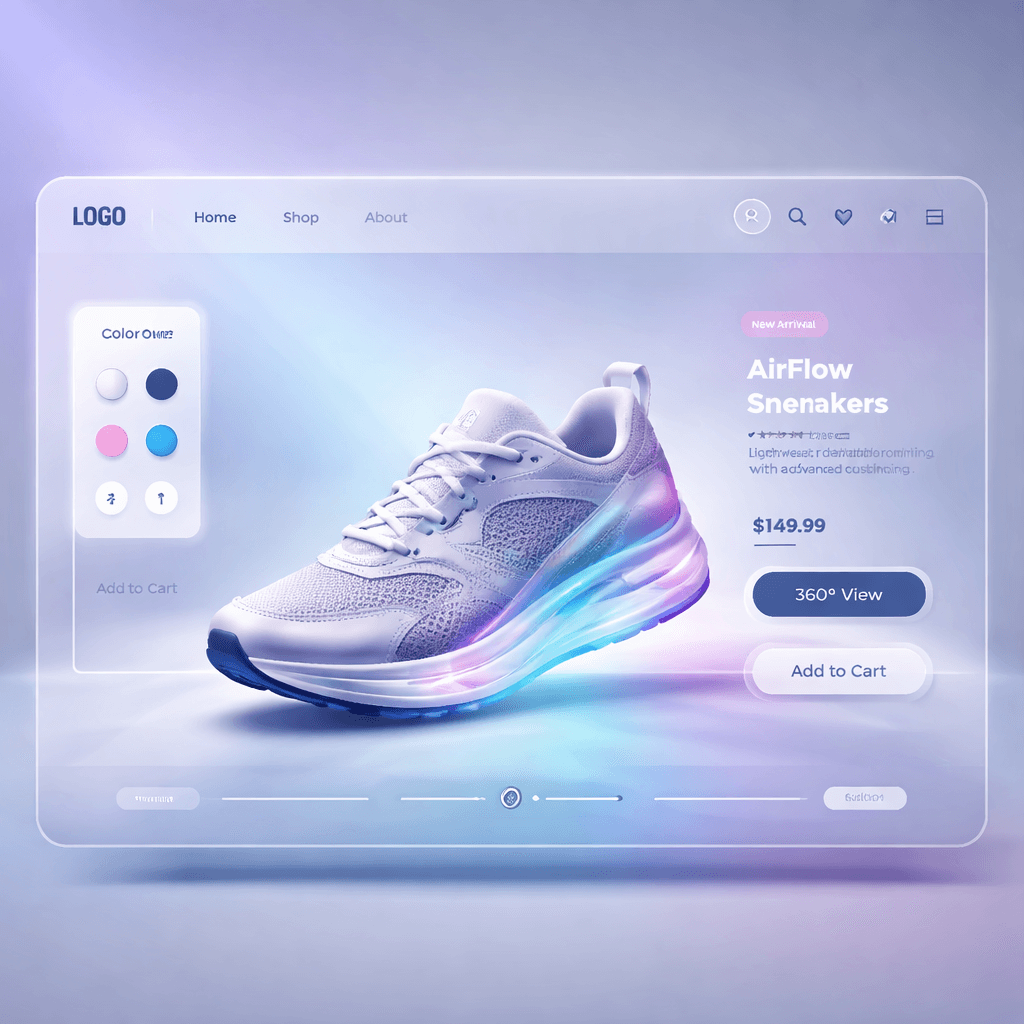
4. 3D Elements & Interactive Visuals
3D is becoming mainstream.
From WebGL animations to interactive product previews, brands use 3D to create immersive experiences. However, performance must remain optimized.
5. Dark Mode & Adaptive Themes
Users expect control over visual preferences.
Dark mode improves:
- Eye comfort
- Battery efficiency
- Modern aesthetics
Adaptive themes automatically switch based on user system settings.
6. Scroll-Driven Storytelling
Scrolling is no longer passive.
Designers now create:
- Animated scroll narratives
- Horizontal scroll sections
- Layered parallax effects
Storytelling improves emotional connection.
7. Bold & Experimental Typography
Typography is becoming the hero.
In 2026:
- Oversized headings dominate
- Variable fonts enhance responsiveness
- Kinetic typography adds motion
Strong typography improves readability and branding.
8. Brutalist & Experimental Layouts
Some brands are breaking grid rules intentionally.
Brutalist design works for:
- Creative agencies
- Art portfolios
- Tech startups
But it must remain usable.
9. Glassmorphism & Layered Transparency
Frosted-glass UI components create depth without clutter.
Used carefully, glassmorphism enhances visual hierarchy.
10. Ultra-Fast Performance as Standard
Speed is non-negotiable.
Google's Core Web Vitals remain ranking factors. According to Core Web Vitals guidelines.
Modern design prioritizes:
- Optimized images
- Clean code
- Lazy loading
- Edge rendering
11. Accessibility-First Design
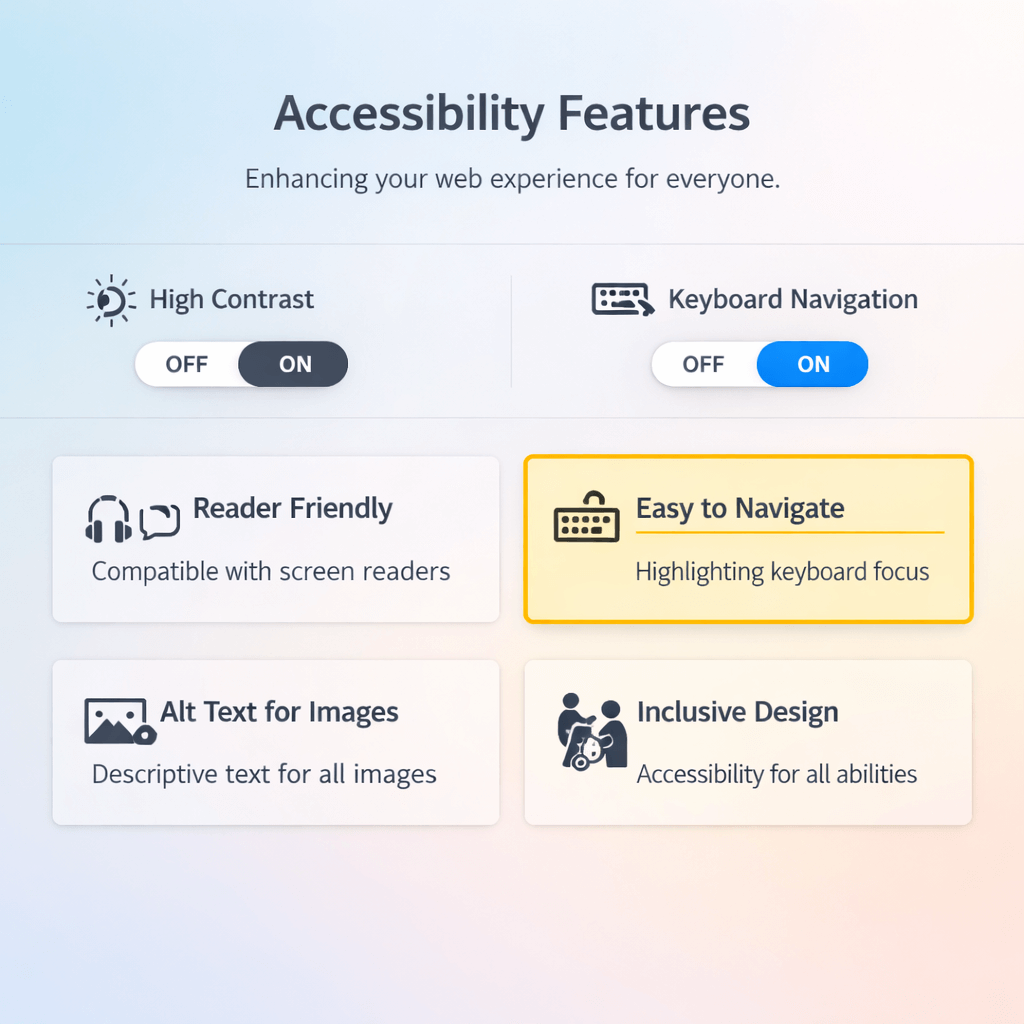
Accessibility is now a design standard.
In 2026, inclusive design includes:
- High contrast ratios
- Keyboard navigation
- Screen reader compatibility
- ARIA labeling
Accessible sites rank better and reach broader audiences.
For expert UX research, you can explore the latest UX research insights:
👉 https://www.nngroup.com
12. Conversion-Centered Design (CCD)
Modern websites are built around conversion psychology.
This includes:
- Heatmap-informed layout decisions
- Clear CTA hierarchy
- Visual flow guiding attention
- Trust signals
If you're unsure whether your website needs improvement, reviewing your existing projects can help evaluate performance
13. AI Chat Interfaces & Conversational UI
Chatbots are now AI-powered assistants.
They:
- Answer questions instantly
- Qualify leads
- Provide guided navigation
Conversational UI improves retention and support efficiency.
14. Interactive Data Visualization
Data storytelling increases credibility.
Websites now use:
- Animated charts
- Live dashboards
- Personalized reports
This improves user trust.
15. No-Code + Custom Hybrid Development
No-code tools are powerful, but complex projects still require custom frameworks.
The future is hybrid:
- Rapid prototyping with no-code
- Custom development for scalability
16. Sustainable & Eco-Friendly Web Design
Green web design reduces carbon footprint through:
- Compressed assets
- Minimal server requests
- Sustainable hosting
Users increasingly value environmentally responsible brands.
17. Immersive AR & VR Web Experiences
Ecommerce brands are integrating:
- AR try-before-you-buy
- 3D showrooms
- Virtual tours
This increases engagement and reduces return rates.
18. Headless CMS Architecture
Headless CMS allows omnichannel delivery.
Benefits include:
- Better performance
- Scalability
- API flexibility
This trend is growing among enterprise websites.
19. Security-Integrated UX
Users expect visible security measures.
Modern UX includes:
- HTTPS badges
- Privacy transparency
- Secure login flows
Trust directly impacts conversion.
20. Emotional & Human-Centered Branding
Authenticity wins in 2026.
Websites use:
- Real photography
- Story-driven content
- Community engagement
Users connect with people not templates.
How to Choose the Right Trends
Not every trend fits every business.
Ask:
- Does it improve performance?
- Does it increase conversions?
- Is it aligned with brand voice?
- Is it scalable?
If you're planning a redesign, you can get expert consultation.


